


From a Bayesian network to a Classifier
This notebook shows how to build a classifier from an Bayesian network (and not from a database).
 |  |  |
import pyagrum as gumimport pyagrum.skbn as skbnimport pyagrum.lib.notebook as gnbbn = gum.loadBN("res/alarm.bgum")gnb.showBN(bn, size="10")print(bn.variable("HR"))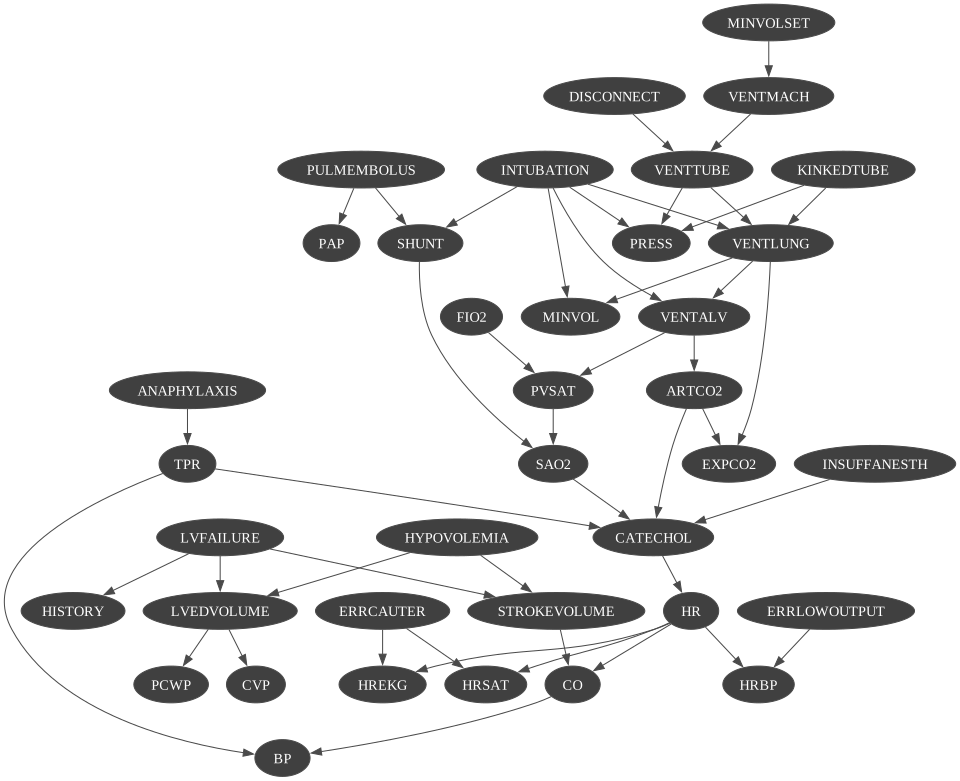
HR:Labelized({LOW|NORMAL|HIGH})Let’s say that you would like to use this Bayesian network to learn a classifier for the class HR (3 classes)
## generating the base of 100 values for testing purposeprint(f"LL(alarm-100)={gum.generateSample(bn, 100, 'out/alarm-100.csv')}")LL(alarm-100)=-1392.8303036039142bnc = skbn.createBNClassifier()bnc.fromTrainedModel(bn, targetAttribute="HR")print(f"Binary classifier : {bnc.label_ != ''}")gnb.showBN(bnc.MarkovBlanket_)
xTrain, yTrain = bnc.XYfromCSV(filename="out/alarm-100.csv")print(f"predicted : {list(bnc.predict(xTrain))}")print(f"in base : {yTrain.to_list()}")Binary classifier : False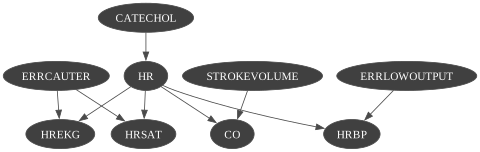
predicted : [np.str_('HIGH'), np.str_('HIGH'), np.str_('NORMAL'), np.str_('HIGH'), np.str_('HIGH'), np.str_('HIGH'), np.str_('HIGH'), np.str_('HIGH'), np.str_('HIGH'), np.str_('NORMAL'), np.str_('HIGH'), np.str_('HIGH'), np.str_('HIGH'), np.str_('HIGH'), np.str_('HIGH'), np.str_('HIGH'), np.str_('HIGH'), np.str_('HIGH'), np.str_('HIGH'), np.str_('HIGH'), np.str_('HIGH'), np.str_('NORMAL'), np.str_('HIGH'), np.str_('HIGH'), np.str_('HIGH'), np.str_('HIGH'), np.str_('HIGH'), np.str_('HIGH'), np.str_('HIGH'), np.str_('NORMAL'), np.str_('HIGH'), np.str_('HIGH'), np.str_('HIGH'), np.str_('HIGH'), np.str_('HIGH'), np.str_('HIGH'), np.str_('HIGH'), np.str_('HIGH'), np.str_('HIGH'), np.str_('HIGH'), np.str_('HIGH'), np.str_('HIGH'), np.str_('HIGH'), np.str_('HIGH'), np.str_('HIGH'), np.str_('HIGH'), np.str_('HIGH'), np.str_('HIGH'), np.str_('HIGH'), np.str_('HIGH'), np.str_('HIGH'), np.str_('HIGH'), np.str_('HIGH'), np.str_('HIGH'), np.str_('HIGH'), np.str_('HIGH'), np.str_('HIGH'), np.str_('HIGH'), np.str_('HIGH'), np.str_('HIGH'), np.str_('HIGH'), np.str_('HIGH'), np.str_('HIGH'), np.str_('HIGH'), np.str_('HIGH'), np.str_('LOW'), np.str_('HIGH'), np.str_('HIGH'), np.str_('HIGH'), np.str_('HIGH'), np.str_('HIGH'), np.str_('HIGH'), np.str_('HIGH'), np.str_('HIGH'), np.str_('HIGH'), np.str_('HIGH'), np.str_('HIGH'), np.str_('HIGH'), np.str_('HIGH'), np.str_('HIGH'), np.str_('HIGH'), np.str_('HIGH'), np.str_('HIGH'), np.str_('NORMAL'), np.str_('HIGH'), np.str_('HIGH'), np.str_('HIGH'), np.str_('HIGH'), np.str_('HIGH'), np.str_('HIGH'), np.str_('NORMAL'), np.str_('HIGH'), np.str_('HIGH'), np.str_('HIGH'), np.str_('NORMAL'), np.str_('HIGH'), np.str_('HIGH'), np.str_('HIGH'), np.str_('HIGH'), np.str_('HIGH')]

in base : ['HIGH', 'HIGH', 'NORMAL', 'HIGH', 'HIGH', 'HIGH', 'HIGH', 'HIGH', 'HIGH', 'NORMAL', 'HIGH', 'HIGH', 'HIGH', 'HIGH', 'HIGH', 'HIGH', 'HIGH', 'HIGH', 'HIGH', 'HIGH', 'HIGH', 'NORMAL', 'HIGH', 'HIGH', 'HIGH', 'HIGH', 'HIGH', 'HIGH', 'HIGH', 'NORMAL', 'HIGH', 'HIGH', 'HIGH', 'HIGH', 'HIGH', 'HIGH', 'HIGH', 'HIGH', 'HIGH', 'HIGH', 'HIGH', 'HIGH', 'HIGH', 'HIGH', 'HIGH', 'HIGH', 'HIGH', 'HIGH', 'HIGH', 'HIGH', 'HIGH', 'HIGH', 'HIGH', 'HIGH', 'HIGH', 'HIGH', 'HIGH', 'HIGH', 'HIGH', 'HIGH', 'HIGH', 'HIGH', 'HIGH', 'HIGH', 'HIGH', 'LOW', 'HIGH', 'HIGH', 'HIGH', 'HIGH', 'HIGH', 'HIGH', 'HIGH', 'HIGH', 'HIGH', 'HIGH', 'HIGH', 'HIGH', 'HIGH', 'HIGH', 'HIGH', 'HIGH', 'HIGH', 'NORMAL', 'HIGH', 'HIGH', 'HIGH', 'HIGH', 'HIGH', 'HIGH', 'NORMAL', 'HIGH', 'HIGH', 'HIGH', 'NORMAL', 'HIGH', 'HIGH', 'HIGH', 'HIGH', 'HIGH']print(list(bnc.predict(X="out/alarm-100.csv")))[np.str_('HIGH'), np.str_('HIGH'), np.str_('NORMAL'), np.str_('HIGH'), np.str_('HIGH'), np.str_('HIGH'), np.str_('HIGH'), np.str_('HIGH'), np.str_('HIGH'), np.str_('NORMAL'), np.str_('HIGH'), np.str_('HIGH'), np.str_('HIGH'), np.str_('HIGH'), np.str_('HIGH'), np.str_('HIGH'), np.str_('HIGH'), np.str_('HIGH'), np.str_('HIGH'), np.str_('HIGH'), np.str_('HIGH'), np.str_('NORMAL'), np.str_('HIGH'), np.str_('HIGH'), np.str_('HIGH'), np.str_('HIGH'), np.str_('HIGH'), np.str_('HIGH'), np.str_('HIGH'), np.str_('NORMAL'), np.str_('HIGH'), np.str_('HIGH'), np.str_('HIGH'), np.str_('HIGH'), np.str_('HIGH'), np.str_('HIGH'), np.str_('HIGH'), np.str_('HIGH'), np.str_('HIGH'), np.str_('HIGH'), np.str_('HIGH'), np.str_('HIGH'), np.str_('HIGH'), np.str_('HIGH'), np.str_('HIGH'), np.str_('HIGH'), np.str_('HIGH'), np.str_('HIGH'), np.str_('HIGH'), np.str_('HIGH'), np.str_('HIGH'), np.str_('HIGH'), np.str_('HIGH'), np.str_('HIGH'), np.str_('HIGH'), np.str_('HIGH'), np.str_('HIGH'), np.str_('HIGH'), np.str_('HIGH'), np.str_('HIGH'), np.str_('HIGH'), np.str_('HIGH'), np.str_('HIGH'), np.str_('HIGH'), np.str_('HIGH'), np.str_('LOW'), np.str_('HIGH'), np.str_('HIGH'), np.str_('HIGH'), np.str_('HIGH'), np.str_('HIGH'), np.str_('HIGH'), np.str_('HIGH'), np.str_('HIGH'), np.str_('HIGH'), np.str_('HIGH'), np.str_('HIGH'), np.str_('HIGH'), np.str_('HIGH'), np.str_('HIGH'), np.str_('HIGH'), np.str_('HIGH'), np.str_('HIGH'), np.str_('NORMAL'), np.str_('HIGH'), np.str_('HIGH'), np.str_('HIGH'), np.str_('HIGH'), np.str_('HIGH'), np.str_('HIGH'), np.str_('NORMAL'), np.str_('HIGH'), np.str_('HIGH'), np.str_('HIGH'), np.str_('NORMAL'), np.str_('HIGH'), np.str_('HIGH'), np.str_('HIGH'), np.str_('HIGH'), np.str_('HIGH')]scoreCSV1 = bnc.score("out/alarm-100.csv", y=yTrain)print("{0:.2f}% good predictions".format(100 * scoreCSV1))100.00% good predictionsFrom a Bayesian network to a Binary classifier
Section titled “From a Bayesian network to a Binary classifier”By targetting a specific label, one can create a binary classifier to predict this very target.
bnc = skbn.createBNClassifier()bnc.fromTrainedModel(bn, targetAttribute="HR", targetModality="LOW")print(f"Binary classifier : {bnc.label_ != ''}")Binary classifier : Truegnb.showBN(bnc.MarkovBlanket_)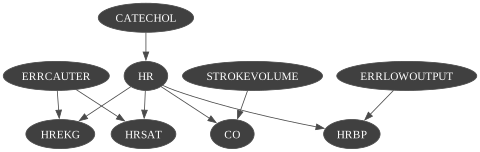
xTrain, yTrain = bnc.XYfromCSV(filename="out/alarm-100.csv")print(f"predicted : {list(bnc.predict(xTrain))}")print(f"in base : {yTrain.to_list()}")predicted : [np.False_, np.False_, np.False_, np.False_, np.False_, np.False_, np.False_, np.False_, np.False_, np.False_, np.False_, np.False_, np.False_, np.False_, np.False_, np.False_, np.False_, np.False_, np.False_, np.False_, np.False_, np.False_, np.False_, np.False_, np.False_, np.False_, np.False_, np.False_, np.False_, np.False_, np.False_, np.False_, np.False_, np.False_, np.False_, np.False_, np.False_, np.False_, np.False_, np.False_, np.False_, np.False_, np.False_, np.False_, np.False_, np.False_, np.False_, np.False_, np.False_, np.False_, np.False_, np.False_, np.False_, np.False_, np.False_, np.False_, np.False_, np.False_, np.False_, np.False_, np.False_, np.False_, np.False_, np.False_, np.False_, np.True_, np.False_, np.False_, np.False_, np.False_, np.False_, np.False_, np.False_, np.False_, np.False_, np.False_, np.False_, np.False_, np.False_, np.False_, np.False_, np.False_, np.False_, np.False_, np.False_, np.False_, np.False_, np.False_, np.False_, np.False_, np.False_, np.False_, np.False_, np.False_, np.False_, np.False_, np.False_, np.False_, np.False_, np.False_]in base : [False, False, False, False, False, False, False, False, False, False, False, False, False, False, False, False, False, False, False, False, False, False, False, False, False, False, False, False, False, False, False, False, False, False, False, False, False, False, False, False, False, False, False, False, False, False, False, False, False, False, False, False, False, False, False, False, False, False, False, False, False, False, False, False, False, True, False, False, False, False, False, False, False, False, False, False, False, False, False, False, False, False, False, False, False, False, False, False, False, False, False, False, False, False, False, False, False, False, False, False]print(list(bnc.predict(X="out/alarm-100.csv")))[np.False_, np.False_, np.False_, np.False_, np.False_, np.False_, np.False_, np.False_, np.False_, np.False_, np.False_, np.False_, np.False_, np.False_, np.False_, np.False_, np.False_, np.False_, np.False_, np.False_, np.False_, np.False_, np.False_, np.False_, np.False_, np.False_, np.False_, np.False_, np.False_, np.False_, np.False_, np.False_, np.False_, np.False_, np.False_, np.False_, np.False_, np.False_, np.False_, np.False_, np.False_, np.False_, np.False_, np.False_, np.False_, np.False_, np.False_, np.False_, np.False_, np.False_, np.False_, np.False_, np.False_, np.False_, np.False_, np.False_, np.False_, np.False_, np.False_, np.False_, np.False_, np.False_, np.False_, np.False_, np.False_, np.True_, np.False_, np.False_, np.False_, np.False_, np.False_, np.False_, np.False_, np.False_, np.False_, np.False_, np.False_, np.False_, np.False_, np.False_, np.False_, np.False_, np.False_, np.False_, np.False_, np.False_, np.False_, np.False_, np.False_, np.False_, np.False_, np.False_, np.False_, np.False_, np.False_, np.False_, np.False_, np.False_, np.False_, np.False_]scoreCSV1 = bnc.score("out/alarm-100.csv", y=yTrain)print("{0:.2f}% good predictions".format(100 * scoreCSV1))100.00% good predictionsprint(f"LL(alarm-1000)={gum.generateSample(bn, 1000, 'out/alarm-1000.csv', with_labels=True)}")bnc.showROC_PR("out/alarm-1000.csv")LL(alarm-1000)=-15013.68275548379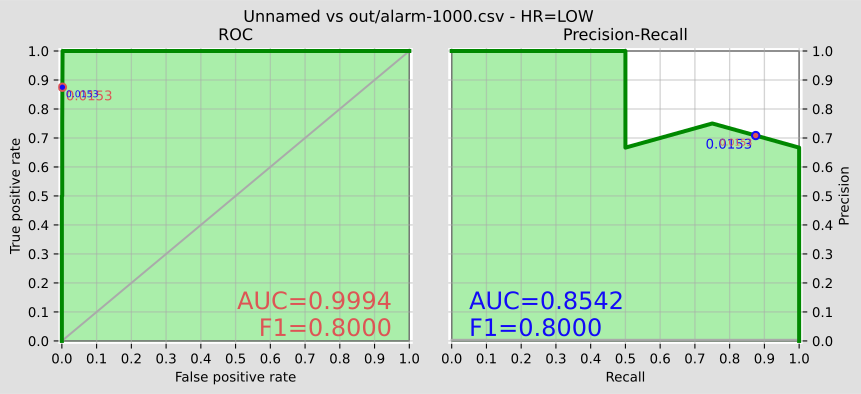
import pyagrum.lib.bn2roc as bn2roc
bn2roc.animROC(bnc.bn_, "out/alarm-1000.csv", target="HR", label="LOW")
interactive(children=(IntSlider(value=50, description='rate'), Output(layout=Layout(height='250px'))), _dom_cl…bn2roc.animPR(bnc.bn_, "out/alarm-1000.csv", target="HR", label="LOW")interactive(children=(IntSlider(value=50, description='rate'), Output(layout=Layout(height='250px'))), _dom_cl…